
NEIGHBORHOOD PORTAL
Brickell
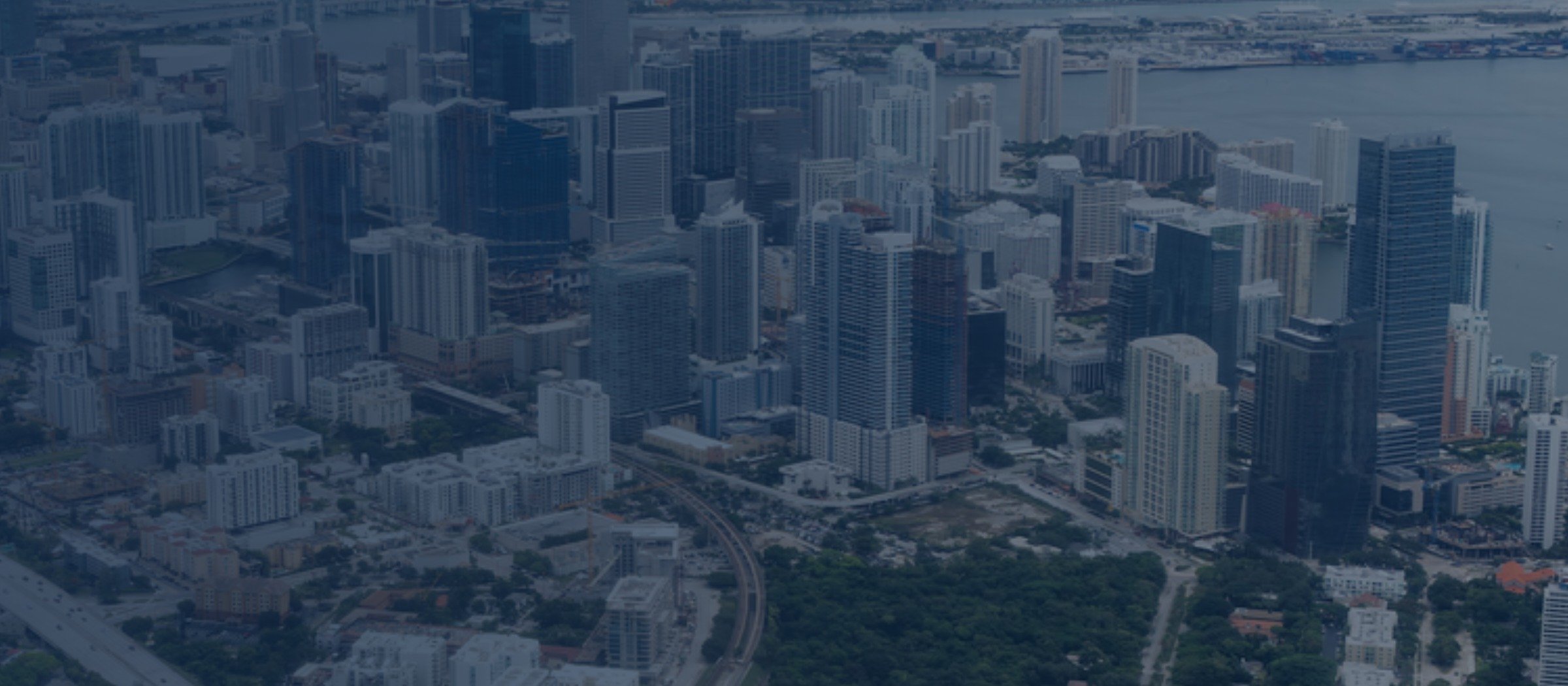
Residents of Brickell contribute heavily to the city and carry intense infrastructure demands—but inside oversized districts, that weight doesn’t translate into access. Stronger Miami is a nonpartisan effort to scale representation to the city Miami has become.
Quick Reference
SHARE WITH RESIDENTS
YOUR LEADER TOOLKIT
WHY THIS MATTERS
Miami has grown into a big modern city. Its representation
system has not grown with it.
Imagine paying premium prices for a service, but every question, complaint, and emergency goes through one overloaded desk. The staff may be hardworking, but the system isn’t scaled to the number of people using it. That’s what happens when dense neighborhoods sit inside oversized districts—residents contribute heavily, but their access to representation gets diluted.
“You are paying into a
big-city system, but getting small-city representation.”
THE PROPOSAL
What is Stronger Miami?
A proposed update to the City of Miami charter that aims to give neighborhoods stronger, fairer representation in city government. It rests on three principal reforms.
01
Smaller Districts
More neighborhood representation across the city. Each commissioner would represent a smaller, more coherent district so communities stay intact, with fewer residents to serve and more attention for each neighborhood.
Even-Year Elections
02
Although Miami voters approved even-year elections, the change will not begin until 2034 and 2036. The Stronger Miami petition would move it forward.
03
Fair Representation
District boundaries that better reflect Miami’s communities. Clear, fair standards for how district lines are drawn so boundaries follow real neighborhoods rather than political convenience.
TALKING WITH NEIGHBORS
How Brickell leaders can frame the conversation:
Four points that resonate with residents who care about strengthening Brickell’s voice and representation.
Big-city contribution, small-city access
Representation should match what residents put in.
Infrastructure and responsiveness
Flooding, traffic, and services that get real attention.
Direct access to representation
A commissioner scaled to the neighborhood’s density.
Scaling to reality
Matching representation to the city Miami has become.
THE TOOLKIT
Materials for leaders and volunteers
Everything your board, civic association, or block leader needs to inform neighbors — built from approved facts and ready to share.
CAMPAIGN OVERVIEW
Why the Stronger Miami Petition Matters
The case for three connected reforms—and why they matter for Miami.
NEIGHBORHOOD IMPACT
What the Petition Could Mean for Your Neighborhood
How the proposed reforms could strengthen representation for your neighborhood.
QUICK ANSWERS
Questions People are Asking
Straight answers to common questions about the petition and what it would change.
YOUR TOOLKIT
TAKE ACTION
Leader Action Guide
A practical guide for explaining the petition, talking with neighbors, and helping your community take action.
HOST A CONVERSATION
Neighborhood Meeting Host Guide
A step-by-step guide for hosting a meeting on the petition — agenda, checklist, and how to get petitions to your event.
PRESENT AND DISCUSS
Presentation Deck
A short slide deck and speaker notes for meetings on the petition.
SHARE WITH YOUR NETWORK
Ready-to-Share Outreach Kit
Ready-to-use email, newsletter, and social media messages for your community.
QUICK ANSWERS
Common questions:
What does the petition propose?
Three headline reforms: smaller, right-sized City Commission districts; fair, community-based redistricting standards that bar drawing districts to favor a political party; and bringing even-year municipal elections to Miami sooner, not nearly a decade from now.
Didn’t Miami already vote in August 2026 to approve even-
year elections?
Yes, but not until 2034, nearly a decade away. Miami’s most recent off-year election drew about 22% turnout, versus about 72% in the last even-year election—roughly three times as many voters. Waiting until 2034 means years more elections decided by a small fraction of the city. This petition would move that timeline up.
Will smaller districts improve responsiveness?
They create more structural capacity for it. A commissioner representing fewer residents has fewer competing priorities to balance. That’s a real structural change, though it doesn’t guarantee a particular commissioner’s responsiveness.
Stronger Neighborhoods.
Stronger Miami.
Get the toolkit, share it with your association, and help your neighbors understand what’s being proposed.