
NEIGHBORHOOD PORTAL
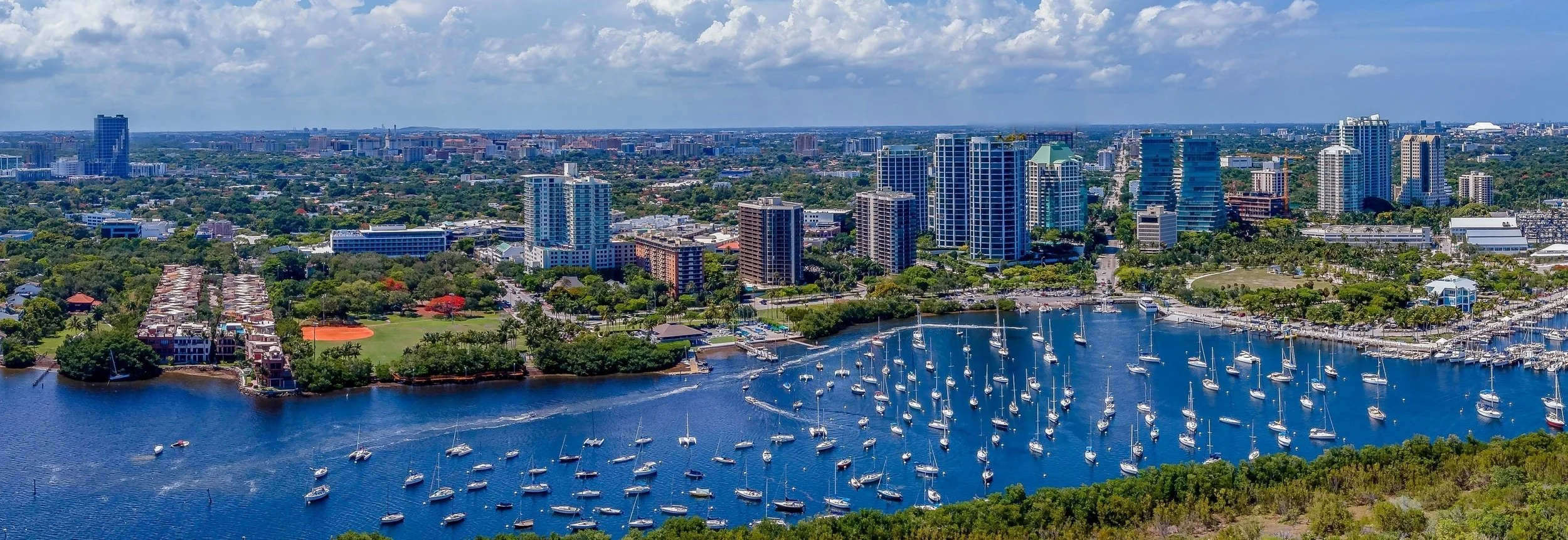
Coconut Grove
The Grove has always protected its own character: from overdevelopment, from being carved up on a map, from decisions made without its voice in the room. This page helps residents, HOA boards, and civic leaders understand what’s being proposed, and how to talk about it with neighbors in plain terms.
Quick Reference
HANDOUTS & LEADER MATERIALS
SHARE WITH RESIDENTS
YOUR LEADER TOOLKIT
WHY THIS MATTERS IN COCONUT GROVE
Your neighborhood should not be divided for political convenience.
Coconut Grove is one of Miami’s oldest and most distinct communities — with its own history, identity, and civic voice. That voice depends on how the City of Miami draws its districts and how many commissioners represent its residents.
Think of a district like a classroom with a wonderful teacher — and 50 students. Everyone may love the teacher, but she is still stretched too thin. The students get less individual attention, not because the teacher doesn’t care, but because the classroom is too large. That is what has happened to many Miami neighborhoods: commissioners are asked to represent enormous, fragmented districts with competing interests and disconnected communities.
Stronger Miami is about creating districts that are human-scaled again — districts where neighborhoods like Coconut Grove stay intact, and where commissioners can actually know, understand, and advocate for the communities they represent.
“Government should stay close to neighborhoods.”
THE PROPOSAL
What is Stronger Miami?
A proposed update to the City of Miami charter that aims to give neighborhoods stronger, fairer representation in city government. It rests on three principal reforms.
Smaller Districts
01
More neighborhood representation across the city. Each commissioner would represent a smaller, more coherent district so communities like Coconut Grove stay intact, and your commissioner has fewer residents to serve and more attention for each neighborhood.
Even-Year Elections
02
Aligned with state and national elections for higher voter participation. City elections would happen when residents are already going to the polls, meaning far more neighbors weigh in on who represents them at City Hall.
Fair Representation
03
District boundaries that better reflect Miami's communities. Clear, fair standards for how district lines are drawn so boundaries follow real neighborhoods rather than political convenience
TALKING WITH NEIGHBORS
How Grove leaders can frame the conversation
Four points that resonate with residents who care about preserving Coconut Grove's identity and voice.
Keep the Grove whole
Coherent districts mean Coconut Grove is represented as one community — not carved into pieces attached to areas with different priorities.
A voice that's actually heard
Right-sized districts mean a commissioner with fewer residents to serve — and more attention for Grove concerns like development pressure, parks, and quality of life.
Accountability, close to home
When districts are human-scaled, residents know their commissioner and commissioners know their neighborhoods. That's what local representation is supposed to look like.
This is about structure, not politics
Stronger Miami is a nonpartisan charter reform effort. It doesn't endorse candidates — it asks whether Miami's government structure still fits a city that has grown dramatically.
GROVE VOICES
What neighbors are saying
Coconut Grove leaders on why fair representation matters for our community
“Do you like and approve the changes happening in your neighborhood? Or do you just see the changes after they happen? Neighborhoods are important. It is where we raise our families, know our neighbors, build our businesses, worship, and enjoy our lives. The decisions made at City Hall decide where our children play, where we walk to our parks, how we deal with increasing traffic and decreasing tree canopy, and how much we pay in taxes and fees. Each neighborhood’s voice needs to be heard, and your commissioner needs to hear it. When neighborhoods stand together, we build a Stronger Miami.
Your vote for a Stronger Miami is a vote for your neighborhood and your family.”
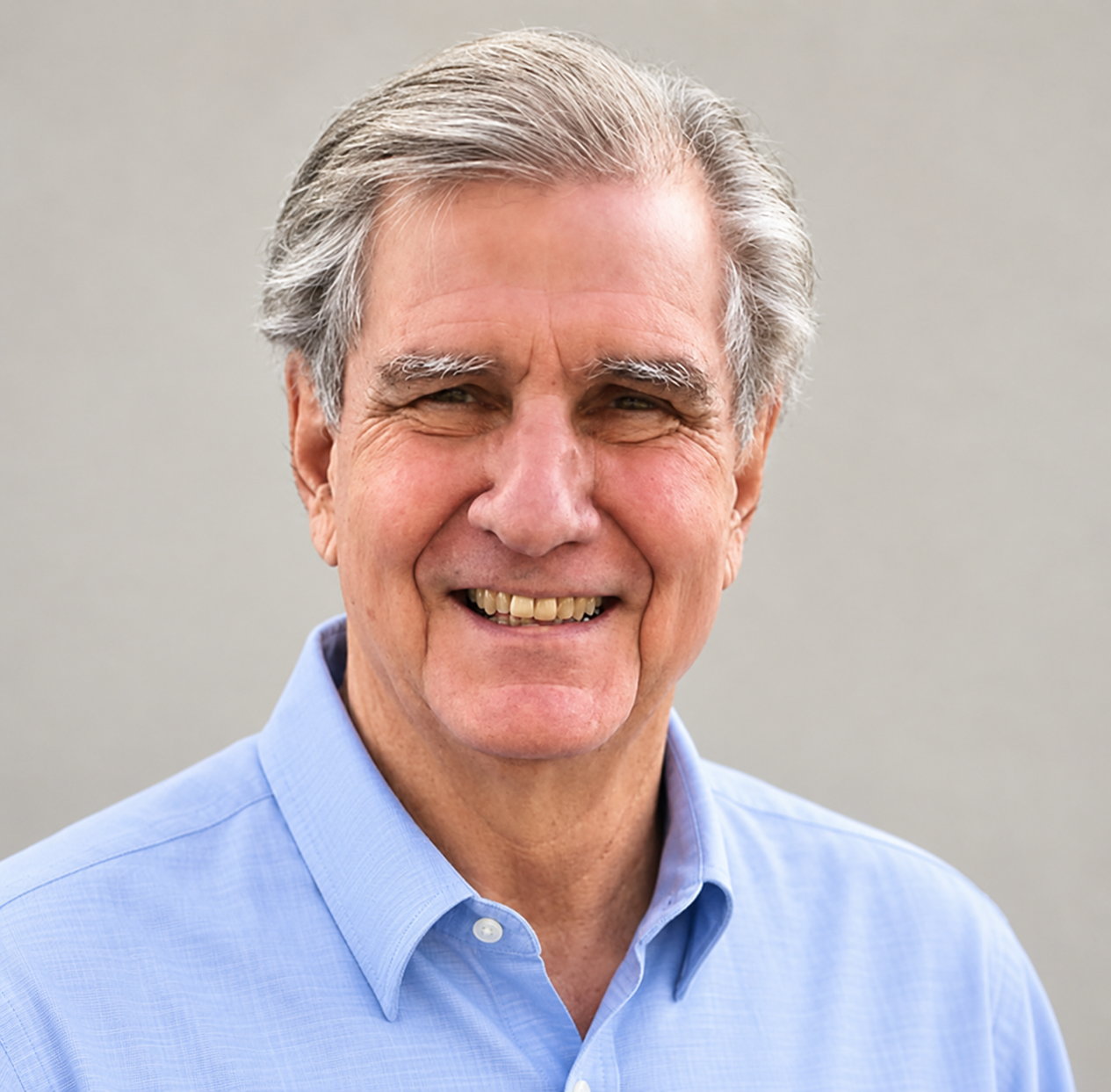
Andy Parrish
Civic Activist "It is time to begin the long overdue work of bringing stronger local representation and accountability to the Miami City Commission. Adding more commission districts will better represent the unique needs of Coconut Grove. Out of 100 U.S. cities, Miami ranks in the bottom 6 in terms of representation. Typically, there are 20,000-50,000 citizens per commissioner across the country. This makes no sense, discourages voter participation and allows 3 commissioners to control a billion-dollar Miami budget.
We have to stop the madness."
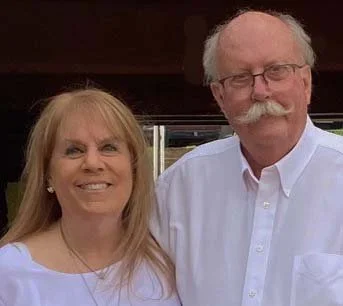
Deb & John Dolson
Grove Watch"This isn’t about politics. It’s about keeping our neighborhood whole and making sure the Grove has a real seat at the table. We all chose to live here for a reason. We know these streets, these parks, these businesses, and the people who make this community what it is. We may not agree on everything, but we share a responsibility to look out for one another and protect the character of the place we call home. When decisions are made that affect the Grove, our neighbors should be heard.
That’s how we keep this community strong—for ourselves, for our families, and for the neighbors who come after us."

One Grove AllianceMel Meinhardt
THE GROVE TOOLKIT
Everything your board, civic association, or block leader needs to inform neighbors — built from approved facts and ready to share.
Materials for leaders and volunteers
CAMPAIGN OVERVIEW
Why the Stronger Miami Petition Matters
The case for three connected reforms–and why they matter for Miami.
NEIGHBORHOOD IMPACT
What the Petition Could Mean for Your Neighborhood
How the proposed reforms could strengthen representation for your neighborhood.
QUICK ANSWERS
Questions People are Asking
Straight answers to common questions about the petition and what it would change.
YOUR TOOLKIT
TAKE ACTION
Leader Action Guide
A practical guide for explaining the petition, talking with neighbors, and helping your community take action.
HOST A CONVERSATION
Neighborhood Meeting Host Guide
A step-by-step guide for hosting a meeting on the petition — agenda, checklist, and how to get petitions to your event.
PRESENT AND DISCUSS
Presentation Deck
A short slide deck and speaker notes for meetings on the petition.
SHARE WITH YOUR NETWORK
Ready-to-Share Outreach Kit
Ready-to-use email, newsletter, and social media messages for your community.
QUICK ANSWERS
Common questions in the Grove
What does the petition propose?
Three headline reforms: smaller, right-sized City Commission districts; fair, community-based redistricting standards that bar drawing districts to favor a political party; and bringing even-year municipal elections to Miami sooner, not nearly a decade from now.
Didn’t Miami already vote in August 2026 to move to even-
year elections?
Yes, but not until 2034, nearly a decade away. Miami’s most recent off-year election drew about 22% turnout, versus about 72% in the last even-year election—roughly three times as many voters.
Waiting until 2034 means years more elections decided by a small fraction of the city. This petition would move that timeline up.
Could my neighborhood ever be divided again?
It’s already happened once: in 2024, a federal court ruled that Miami’s own district map illegally divided neighborhoods, including the Grove, Overtown, and Allapattah. This petition would put a real, Charter-level protection in place that doesn’t exist today. Right now, nothing in the Charter stops neighborhoods from being divided.
Stronger Neighborhoods. Stronger Miami.
Get the toolkit, share it with your association, and help your neighbors understand what's being proposed